Were Poisoned Weapons ever used in Medieval Warfare?
Last summer, a friend asked me a question that I did not know the answer to. A nagging doubt led...
Read More

Last summer, a friend asked me a question that I did not know the answer to. A nagging doubt led...
Read More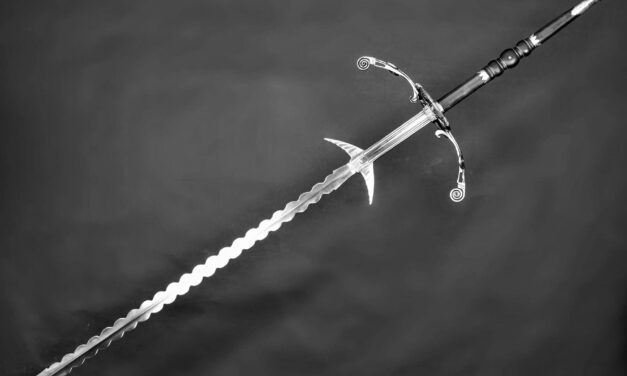
The use of the striking German battle sword as found in many armories through out Germany still poses many unanswered questions. This article provides an overview over contemporary sources and proposes an approach to combine the information gained from those sources to determine possible techniques and principles for this weapon.
Read More
Note to reader: This document complements an essay published on the blog Martial Culture in...
Read More
When you first start reading the medieval fencing manuals, one of the curious things you keep...
Read More
The procession arrives at the square. Publicans erects their tents and tap their barrels....
Read More
And the first are those who, as soon as they can reach the opponent in the Onset, at once cut and...
Read More
There is a particular tension at play in the modern Historical European Martial Arts community...
Read More
“An average, foundational knowledge of the past helps us understand the 14th-16th c. Fechtschulen...
Read More
Over a decade ago, the great and renowned HEMA maestro Roberto Gotti of the...
Read More
A problem that we commonly encounter in the training and teaching of martial arts in general, is...
Read More
Today’s community interview is with Maxime Chouinard who lives in Kingston, Ontario, Canada,...
Read More
Mark, this is that before all things you shall rightly undertake and understand these two things,...
Read More
At least as early as in the early 17th cent, fencing masters swore to care in particular for...
Read More
Over the years I have spent researching Late Medieval Central Europe, I ran across many unfamiliar...
Read More
This article translates and contextualises the longsword bout detailed in Le tre giornate di...
Read More
Ours are fighting systems that are under (re)construction. Those of us who consider themselves...
Read More
Giovanni Alberto Cassani published a military treatise in Naples in 1603.1 In this work he...
Read More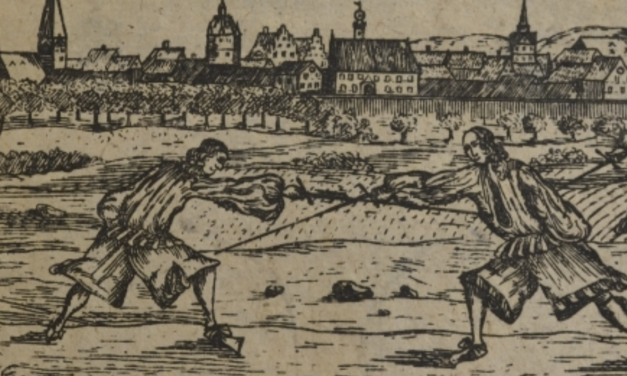
This article will present an analysis of Johann Georg Paschen’s (1628-1678) Kurtze iedoch...
Read More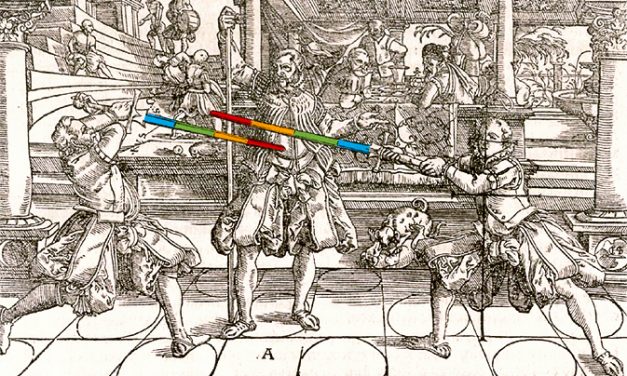
Dynamic parameters define a rigid body’s reaction to external forces. While their importance for a sword’s behaviour is known since the 19th century, many data sets of original swords, replicas and training weapons include mass and the centre of mass, but lack a third parameter such as moment of inertia, radius of gyration, or corresponding centres of oscillation/percussion. A third parameter, however, is required to calculate a rigid object’s response.
Read More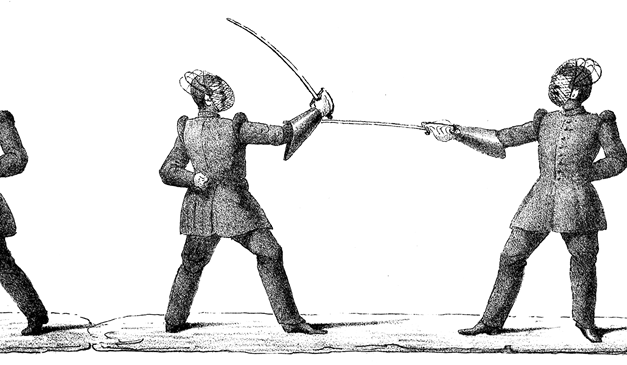
In the mid-19th century, not that long after the Belgian war of independence, an experiment was...
Read More
Some month ago a nearby group decided to run a small longsword tournament as part of some local...
Read More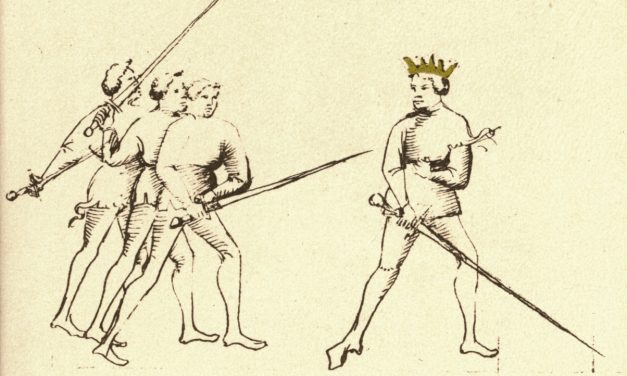
Proposition This article proposes that Francesco Novati’s 1902 facsimile reproduction of Flos...
Read More
Over the past five years, an increasing number of HEMA tournaments have added a new kind of award,...
Read More
Last week, in the same spirit of information freedom that inspired Wiktenauer’s creation, I...
Read More
Since the elements described and explained up to now are properly just a beginning and primer...
Read More
Though long delayed, this book represents the most complete picture possible of the Liechtenauer tradition of foot combat as it was recorded in the mid 15th century. It’s the text I wanted for my students when I was leading a study group, and I’m happy to finally offer it in print. I hope it serves in some small way to advance the study of Johannes Liechtenauer’s art.
Read More
While sounding like a simple thing to define, sparring can have quite a few and very different...
Read More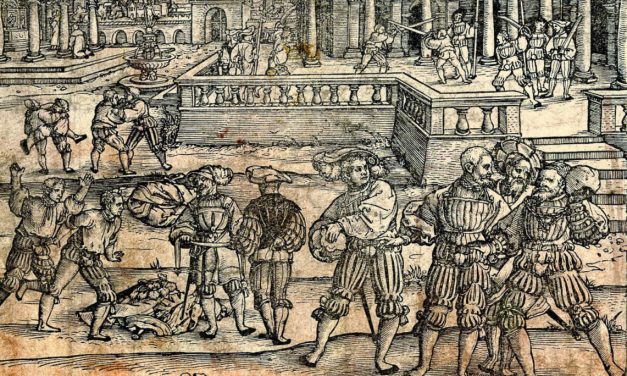
Few men are born brave; many become so through care and force of discipline. – Flavius...
Read More
This video was recorded by the MFFG at the 4th Meyer Symposium in Iowa, USA, 2016 and is yet...
Read More
This video was recorded by the MFFG at the 4th Meyer Symposium in Iowa, USA, 2016. It is a small...
Read More
King and Fool – The Vier Leger of Liechtenauer’s Tradition and their relationship with...
Read More
This second video in the Basic Meyer Quarterstaff series brings up a few topics: First of all the...
Read More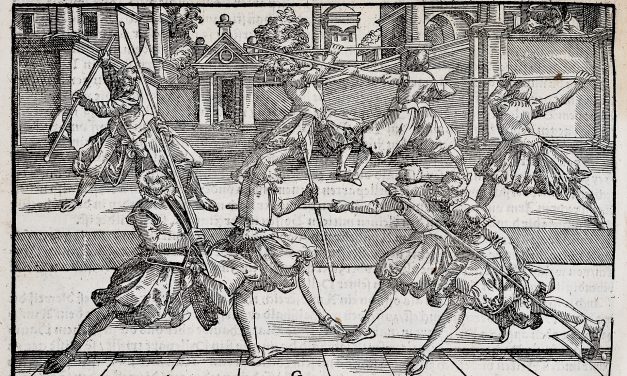
For the last seven years I have dedicated myself to the study of Joachim Meyer’s...
Read More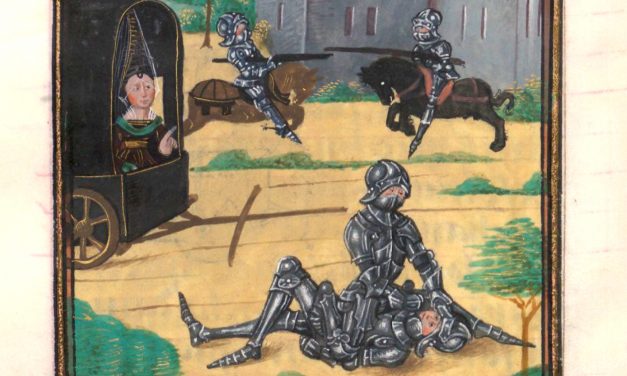
Part One of this article examined the famous judicial duel between Jean de Carrouges and Jacques...
Read More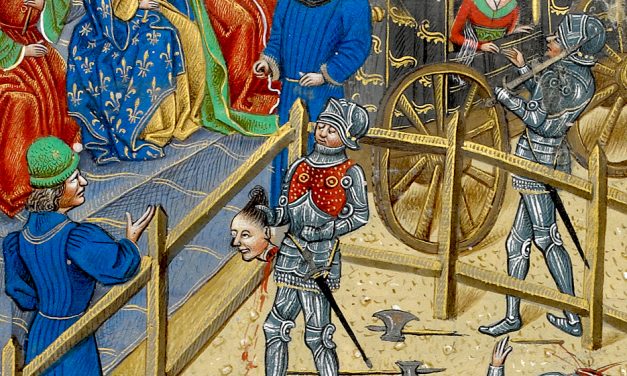
According to the website Deadline Hollywood, Studio 8 has hired a screenwriter to turn Eric...
Read More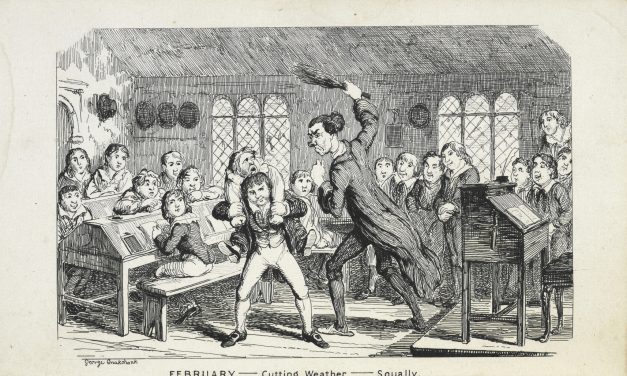
As a teacher, you prepare to show a student a technique from the treatise of your choice. You have...
Read More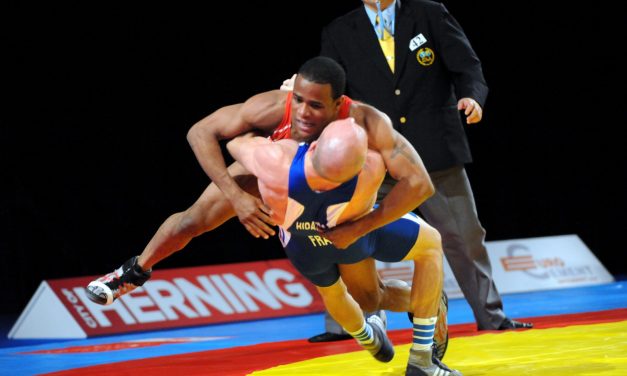
My first contact with what I know now as HEMA took place in the spring of 2009. I was attending a...
Read More
This article describes how full contact martial arts handle sparring intensity like Mixed Martial Arts, Dog Brothers Martial Arts, Brazilian Jiu-Jitsu, Luta Livre, Freestyle wrestling, Kendo and what we can learn from this for HEMA.
Read More
Florius de Arte Luctandi is formally designated Ms. Latin 11269 by the Bibliothèque nationale de...
Read More
Prolog: Epic Meaning The goal of every HEMA-fighter is to “survive” a duel – fought with...
Read More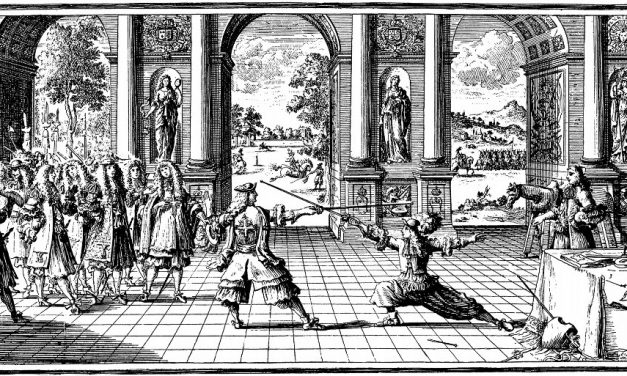
The entry on fencing in René François’ 1621 encyclopedia is a rich source of terminology and...
Read More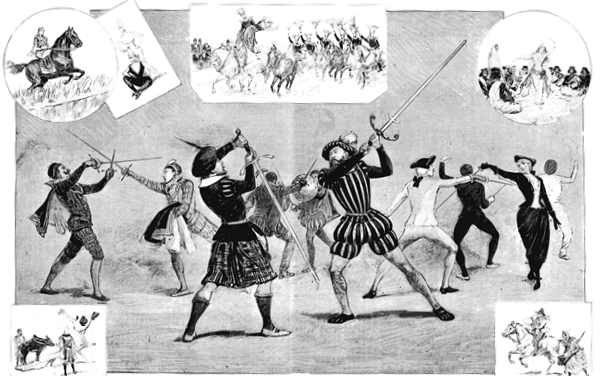
In the introduction to “The Sword and the Centuries” (1901), Alfred Hutton mentions a curious incident. His fencing group in the London Rifle Brigade were invited to Belgium to put on a display of historical fencing. What can we discover about this Belgian event? What follows is an overview some literary detective work that reveals Adolphe Corthey, a man in every way Hutton’s equal and the powerhouse behind late nineteenth century HEMA in France.
Read More
Almost exactly a year ago I was lucky enough to be taken on a small journey that has been a long...
Read More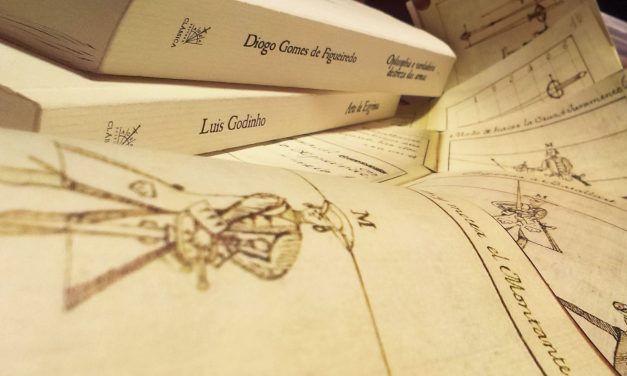
This article gathers a series of notes written while studying the sources on the Iberian montante sword of the late XV century and following centuries. The extant sources are listed and analysed. Different approaches to teaching this weapon’s handling are described, stressing those who can provide a context for its use.
Read More
This article shall group Joachim Meyer’s Ringen into collections of similar throws....
Read More
“Finding yourself assailed by enemies, and supposing there are many of them, the situation demands...
Read More
Continuing with his four part series on The use of the saber in the army of Napoleon, Dr....
Read More
Continuing with his four part series on The use of the saber in the army of Napoleon, Dr....
Read More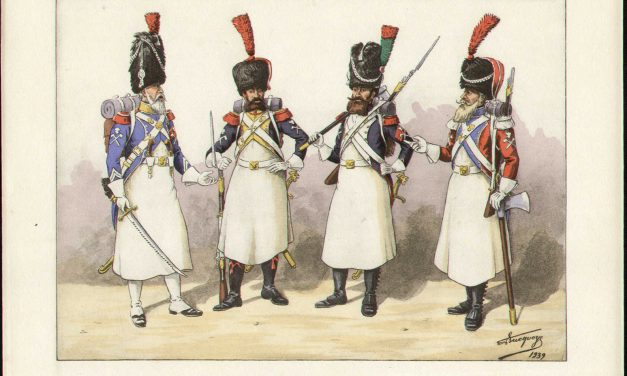
Continuing with his series on The use of the saber in the army of Napoleon, Dr. Bert Gevaert now...
Read More
Here is a rough diagram that tries to explain the core mechanics that go through all of Meyers...
Read More
“The sword is the weapon in which you should have most confidence, because it rarely fails you by...
Read More
Introduction: So what happened to the Second Estate? Most of my own HEMA-related historical...
Read MoreTactical intelligence tends to be made out to be more complex than it actually is, by being seen as weapon specific. Furthermore, it also tends to lack specific and straight forward training guidelines … which has tactical skill...
Read More
Should we use our off hand in order to further our skills as a fighter while also balance our muscle growth?
Read More
The Phoenix Society went to the Arizona Knife Collector Association’s big knife-show and we...
Read More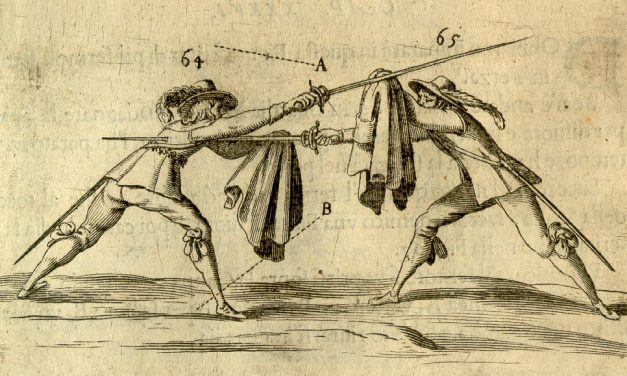
A couple of weeks ago when I was reading the excellent manuscript “La Scherma” by the maestro...
Read More
The most knowledgeable of instructors can also be some of the least effective teachers. There are...
Read MoreThe wooden dummies we use for sword practice are to us what the boxing bag is for a boxer. They are a great tool for practising basic techniques such as cuts and thrusts, and improving precision. Construction These wooden...
Read More
This is the third part of my brief article series on HEMA and pedagogics. Starting...
Read More
Our personal goals in studying HEMA are varied, complex and individually quite different. For...
Read More
The 14th Century: Famine, war, plague and demographic collapse. The rise of the vernacular and...
Read More
Back in the end of May this year we had the honor to be invited to the internationally renowned...
Read More
There are many reasons why I devote much of my time and my energies on what Joachim Meyer has...
Read More
Continuing from what we examined in the first HEMA Pedagogics article where we looked at the...
Read MoreCould one find a more Polish weapon than the Hussar szabla? Literally, when someone thinks of a saber from Poland, he probably thinks of this very specific weapon, that is (not fully accurately) attributed to the famous winged...
Read More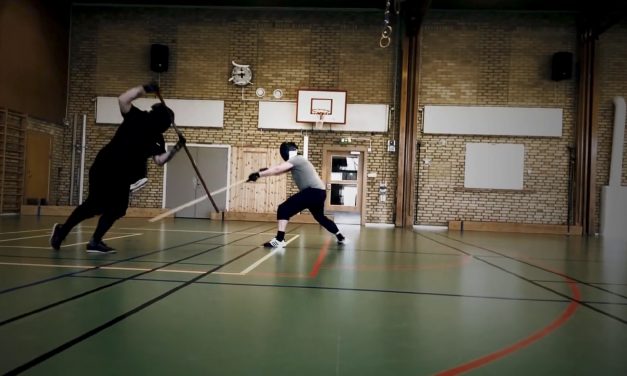
Long overdue I’ve finally posted my booklet on the Meyer quarterstaff, a weapon also used to...
Read More
This three-piece article, while aimed more at teachers of HEMA is also relevant to students...
Read MoreI have always fully understood HEMA researchers’ reasons for staying mostly away from the topic of outnumbered combat, an issue rarely approached by authors and, when talked about, done so in a vague manner. At the same...
Read MoreThere are two major models that specify the point at which a sword should ideally hit its target. One model focusses on the sword’s vibration, particularly the nodes of the fundamental flexural vibration; the node which is...
Read More
Every now and then I get the question why I don’t take part in tournaments. The answer to...
Read MoreAs a professional educator as well as a long-time amateur martial arts instructor, one of the issues that fascinates me about the historical fighting manuscripts is their approach to teaching. Broadly speaking, there are two...
Read More
Little is known of any indigenous martial arts traditions of Scandinavia, and while the Icelandic...
Read More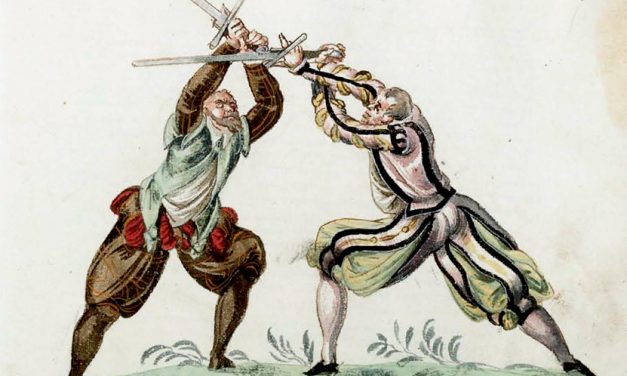
For practitioners of German longsword it is fairly commonly known that with some stances and cuts...
Read MoreI have just added a 28 page article based on my dusack workshop. It is entitled Meyer dusack – the dusack in motion. It is a simple introduction to some of the most basic principles underlying Joachim Meyer’s dusack...
Read More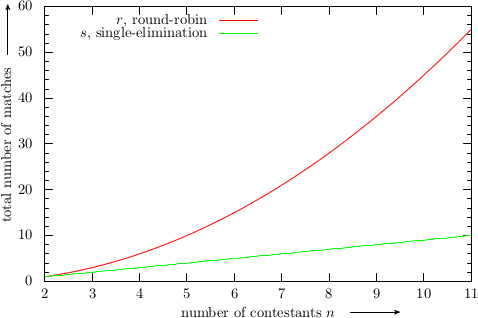
This article is to some extent a reply to Γιώργος Ζαχαρόπουλος’s article in which he points out...
Read More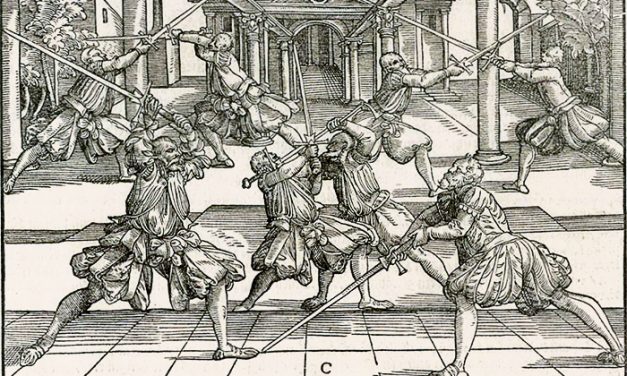
This time I will speak rather briefly about stances and the ideas behind them. This does not...
Read More
Today we are introducing Dr. Fabrice Cognot, Burgundian swordsman, polearms specialist and...
Read More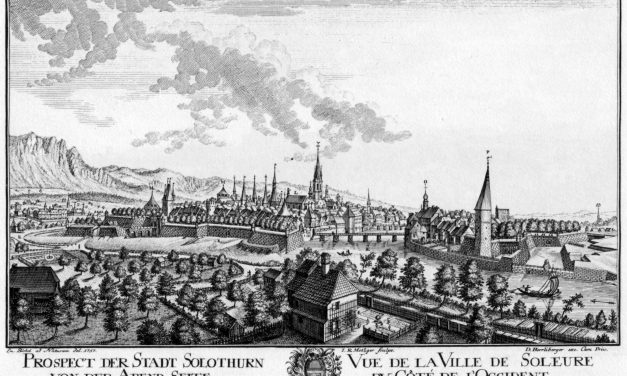
Below are three versions of the Fencing Ordinance of the Swiss town of Solothurn, first the...
Read MoreHistorical overview of the Vadi family Chronology from the X to the XIX centuries House on which the Prestige of Aristocracy was bestowed, raised the banner of Nobility Editor’s note: Philippo di Vadi Pisano was a 15th...
Read MoreAt first I wanted to write only one article that would cover some frequent questions about how to start your own HEMA club and turning it into a job. As I researched the topic more, I noticed that there is no way to put it all...
Read More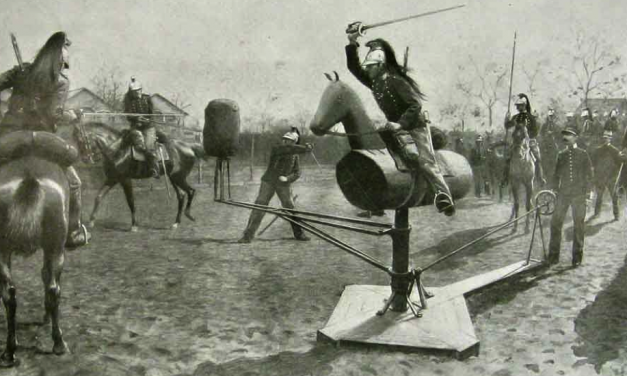
“Now’s your change, Charles – after them with the sword!’ With a thunder...
Read More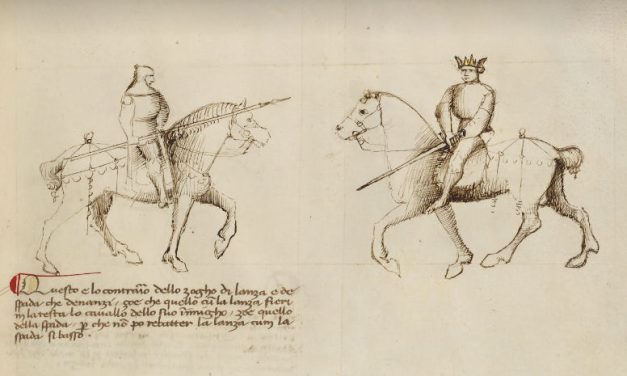
I was originally researching technical aspects of Fiore’s mounted combat, staring at the...
Read MoreWell I guess this is the “hot potato” of the HEMA community! I am sure that a lot of other people before me and surely a lot of others after me will deal with the subject. First of all I have to let you know that I never...
Read MoreAnother great video by the amazing Ilkka Hartikainen. Enjoy!
Read More
The 13th Century: Commercial numeracy and literacy. Lay literacy and the first public schools. The...
Read More
We all share the same love for our personal and shared discoveries of a forgotten European martial...
Read More
Resources on Medieval Literacy, Part 1 When we talk about Historical European Martial Arts we...
Read MoreYou may believe certain conversations you have on public social media are somehow private or not seen by others. This is not the case. You may also have certain past grievances with a particular well known historical fencing...
Read More
Although not originally planned to be included in this series, I decided to add an article on...
Read More
Techniques and tactics in martial arts evolved over the centuries in response to, either prevalent...
Read More
A very brief description on training weapons in history, mostly based on a short email to a sports...
Read More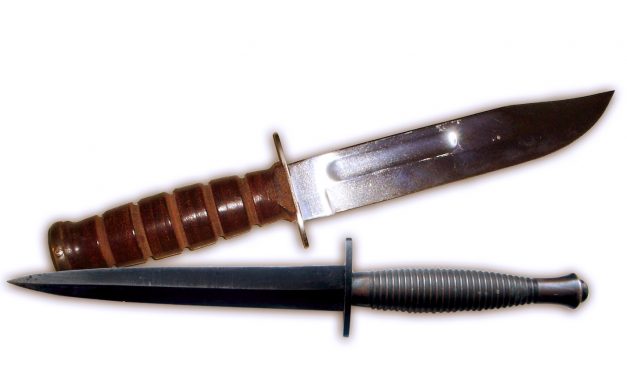
The knife is a silent and deadly weapon that is easily concealed and against which, in the...
Read MoreThe sixteenth century saw a proliferation of fencing treatises written and published in the Italian peninsula. Some masters and styles have long been well known to fencing historians and modern historical fencers. Other masters,...
Read MoreIn the early 1550s, the Nuremberg Meistersinger Georg Hager wrote: Wer brauchen wil die löblich kunst, von einem meister sol ers leren, Nicht von einem winckel[1] fechter; sunst hatt er die kunst nicht mit eren[2]. Which...
Read More
‘…With this, he drew the sharp blade at his side, a powerful longsword, and gathering his limbs...
Read MoreOriginal article by Eytichios Tzirtilakis. Translation into English by George E. Georgas Once upon a time in the Byzantine Empire, the wooden swords were commonly used as weapons. From the time of the legendary Byzantine hero...
Read MoreHere’s the workshop on Joachim Meyer’s quarterstaff held by me and my fellow GHFS member Mattias Moberg at the HEMAC Florentia event in March, in Florence, Italy. It has been edited down from a 3 hour workshop into a...
Read MoreA high level of sharpness of cutting tools is preferable, just as it is for edged weapons. While tools are generally used in well defined situations for which they are optimised, edged weapons, particularly those with longer...
Read More
Anglophones are taught from an early age to believe firmly in the notion of the inevitability of...
Read More
In our Meyer staff class we have been forced to develop methods that meet the simple fact that in...
Read More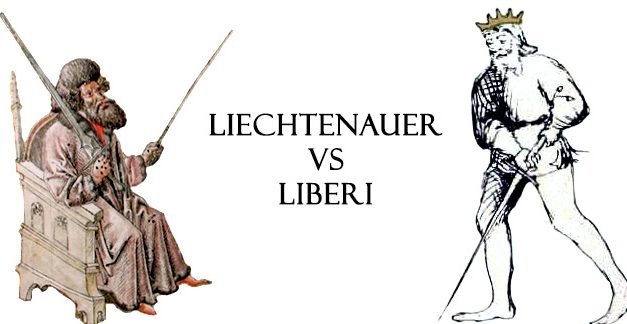
This small review intends to share some of the outcome and to highlight some of the interesting...
Read More
Everyone is aware of the fact that a sword blade vibrates, at least anyone with a basic level of...
Read More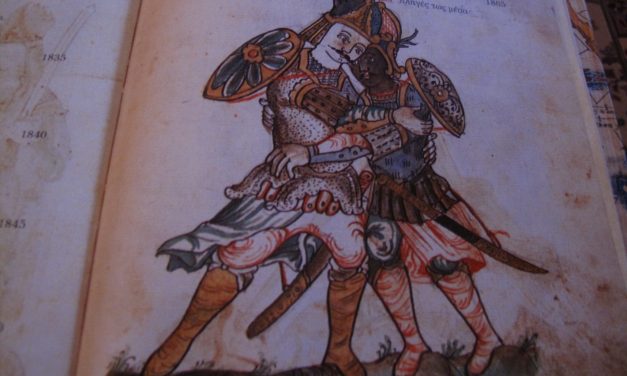
The Renaissance book Erotokritos is a unique preserved manuscript with colour illustrations...
Read MoreOver the last five years, I’ve given several workshops in both South Africa and Europe focused on sequencing the teaching of techniques from Joachim Meyer’s “Gründtliche Beschreibung… der Kunst des Fechtens”[i]. In my view, each...
Read MoreThis week we will be taking advantage of one of the greatest benefits from reading somewhat later masters, like Joachim Meyer and George Silver, by looking closer at a subject that most early treatises speak little of;...
Read MoreThe end of a new year and the beginning of a new year is for many people the ultimate occasion to launch new resolutions: losing weight, stop smoking, not spending too much money on certain things etc., etc. Some of us...
Read MoreIn a previous article, a detailed introduction to manuscript Cod. 264.23 was presented along with an English translation of the first two sections, dealing with the single rapier. In this contribution, a translation is presented...
Read More
Looking at the recent “sexistic HEMA banner debate” I really feel a concern about how...
Read MoreFencing with the Sword is nothing other than a discipline, wherein your force strives together with your sword in placement so that one with the other, using care and agility, artfulness, delicacy and manliness, are at need the...
Read More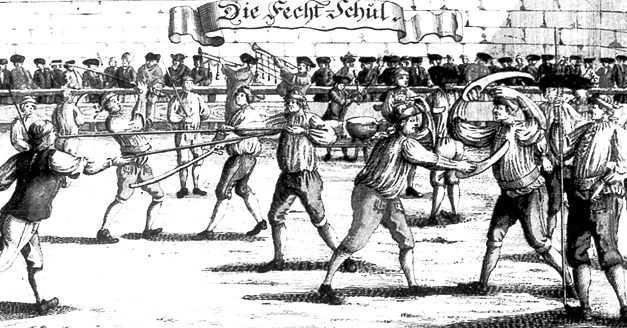
“Fencing with the Sword is nothing other than a discipline, wherein your force strives...
Read MoreThe following translation of the manuscript Cod. Guelf. 264.23 contains the notes of an unknown German speaking student about his fencing lessons at the knight academy at Sorø (Ritterakademie Sorø). It was most likely written...
Read More
Throughout history going all the way back from at least medieval times up until modern military...
Read More
An often overlooked aspect of historical fencing is how to go about turning all the information...
Read More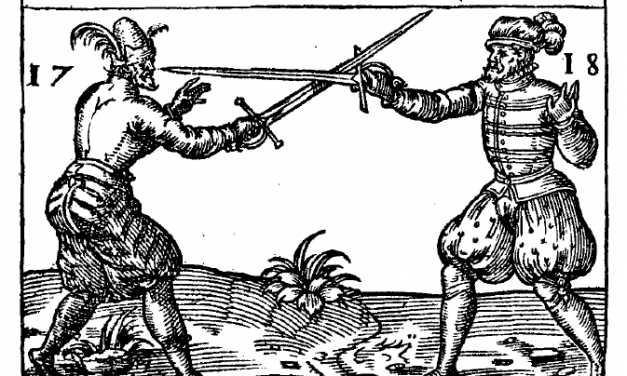
… Published in 1573, by George Dubois, Master-of-Arms. Examining the nature of the works by...
Read More
This week’s article will be talking about the topic of various ways of counterstriking...
Read More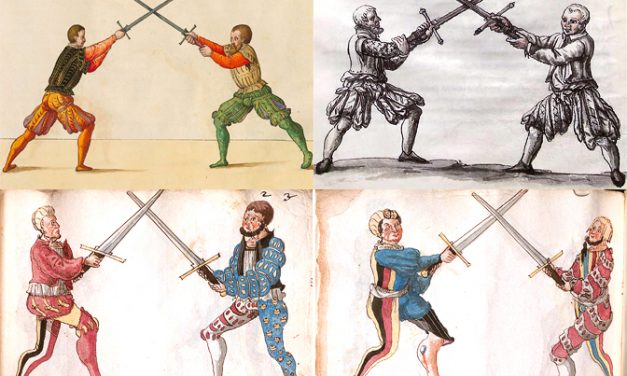
This time we will start moving into somewhat more unexplored and unmapped territory, working with...
Read More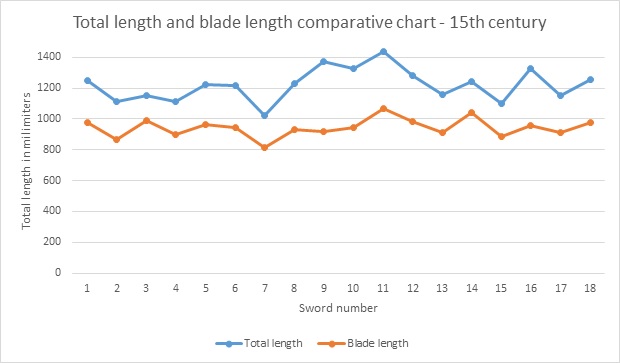
For the past year or so, I have been gathering data on longswords. These come from a wide range of...
Read More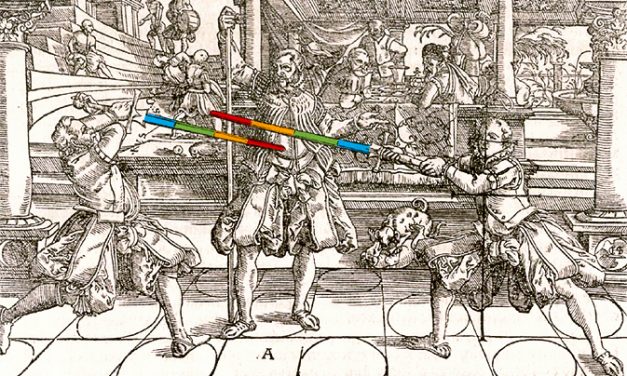
Time for part 3 in the Onion Article Series, this time taking a closer look at the parts of the...
Read More
With no little shame, and for lack of time, I would today just very briefly like to suggest a...
Read More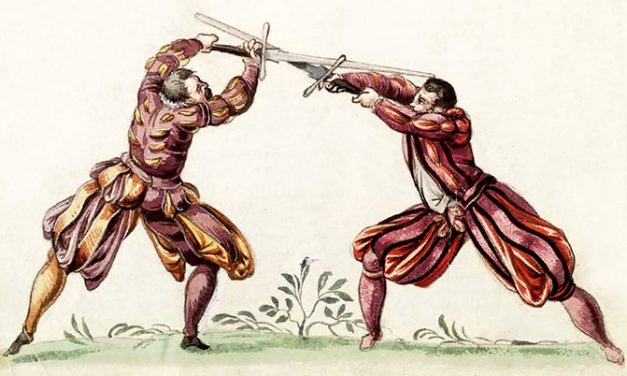
Continuing with part 2 in the Onion series of articles we will now focus on the topic of...
Read MoreNeither a real weapon, nor a simple cloth: the cape in Italian martial arts. The cape is an item of clothing, subject to the rules of fashion and climate, and cannot be described appropriately by measures and rules, therefore it...
Read More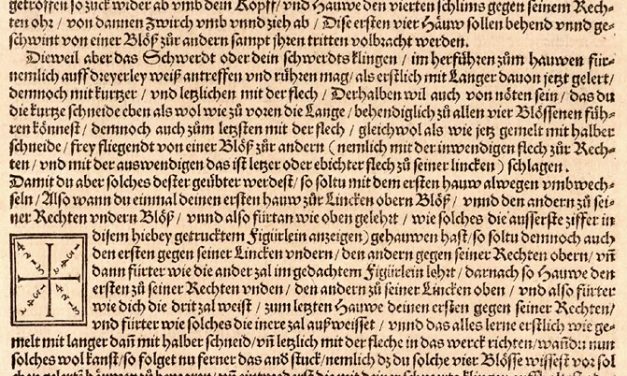
For the last year or so I have been working on a group of primarily longsword exercises...
Read MoreAnother excellent lecture by Jean Chandler, held at the IGX in Boston, USA...
Read MoreFrench fencing guilds of Paris, Lille, and Amiens in the 16th and 17th century Translated by Pierre Pichon Edited by Jean Chandler, SDA NOLA, New Orleans & Roger Norling, GHFS/MFFG Finally we have here English translations...
Read More
During the Belle Epoque of France gladiators were held up as the very model of physical perfection...
Read MoreOn this day Sep 16 1920 one of our greatest HEMA Pioneers, Egerton Castle died. Together with men like Cpt Alfred Hutton, Baron de Cosson, Archibald Corble and Kpt Emil Fick and some 50 more men around Europe, he struggled to...
Read MoreWith all due respect to those who have opposing views regarding the new USFCA Master title, and to Ken Mondschein, Jerry Benson, Walter Green of of Salle Green and Jeff Lord, Tom and John Farmer of the Knoxville Academy of the...
Read More
Wrestling, in any era, culture and geographic era, is an archaic aspect of man, as a game,...
Read MoreArmed civilian conflict was a reality of early modern life, both arranged duels and spontaneous violence. Many masters speak lucidly of deadly combat, or claim direct experience of it, which should not surprise given their...
Read More
The following are partnered drills for the cloak and rapier. It is vital that the attacker...
Read MoreNew video of Combat Glima, Norse combat techniques, by the great Glima Master Lars Magnar Enokssen.
Read MoreAt various points discussions have surfaced again and again, which question the chronology of the fencing styles and schools of late medieval and renaissance times. The question, who could have been the first fencing master and...
Read More
“Draw not your Sword but to serve the King, preserve your Honour, or defend your Life.” “Art...
Read MoreThe following are some suggestions for using the cloak with the rapier. Please note, the techniques will vary from those which can be used with a sidesword, so this should not be taken as a definitive form for all sword types....
Read MoreHumans attempt to make sense of their environment results, quite often, in the systematization of knowledge into boxes commonly (and quite wrongly) made out to be independent, as is the case with the existence of sport specific...
Read MoreNote: This is a working document and will continuously be updated as we work with our interpretations of Joachim Meyer’s dagger teachings. Similarly to how I worked with his staff teachings I will attempt at systemizing...
Read More
What’s our problem? The main purpose of any fencing art is to keep the fencer safe from the...
Read More
I sought this article out of simple curiosity and was intrigued and surprised by the content. At...
Read MoreI first learned staff in the late eighties, and although I was not that interested in the provenance, as I recall my master learned it in Scouts as a child. I never had any documentation for it, but it was a simple system...
Read More
“If you want to learn how to fight properly and effectively with the long sword, so that you...
Read MoreHere is an excellent lecture on Fiore Furlano de Liberi, Ludwig von Eyb and more, by Michael Chidester, held at Fechtschule America 2013. Well worth watching, no matter if you focus more on the “Italian” or...
Read MoreThis short movie shows a glimpse of the world of the Collegiate Fencing, the still living child of the Fechtschule tradition. For more reading, look at the excellent article An overview of German collegiate fencing traditions by...
Read More
To begin with, just for clarification, this is not a typical article per se, but rather a text...
Read More
Before you engage in combat, mind this: the blade of your saber is nothing else – and cannot be...
Read More
Here’s a good clip from John Clements focusing on an often forgotten aspect of...
Read More
On this day, 443 years ago, Fechtmeister Joachim Meyer published his magnificent fencing treatise...
Read More
In a somewhat surprising decision the Olympic Committee has now decided to exclude both Freestyle...
Read More
During the late 18th and early 19th century the definition of a proper sword varied from...
Read MoreA few years ago I translated the first book of Mr. Nicolleto Giganti into Castilian. The book I used for the translation was printed in 1644 by Zetter in Frankfurt with the text translated into German and French. I must confess...
Read More
The relative benefit and importance of competition in modern HEMA is a frequent subject of...
Read More
Lars Magnar Enoksen (b. 1960) is president of the Viking Glima Federation and its master...
Read MoreHEMA, it can be said, is only in its second generation by now, though some claim to be in the fourth already. This makes us a very young Art, and even younger than other modern martial arts, since we have no precedent on which...
Read More
In Sweden we have a saying; “A loved child has many names” and looking at what is...
Read More
Today we raise our glasses to the memory of the 19th cent. HEMA-pioneer Cpt. Alfred Hutton...
Read MoreOn this day, December 10, 433 years ago, Paul Hektor Mair was hung at the age of 62, convicted of embezzlement of the city of Augsburg’s funds. He had spent the money on a lavish lifestyle, often throwing big parties with...
Read MoreThis is a debate that has been heard by all of us one time or another, I believe: Should strength training be incorporated into HEMA, and how much of it should there be? The extreme usually goes towards having a minimum of...
Read More
In my opinion the dussack doesn’t quite get the recognition it deserves in the historical...
Read MoreWhen we hear how people describe the art of fencing in the Middle Ages, we often hear them say that it was all about fighting to the death, or at least to harm the opponent in a way that he couldn’t continue fighting. Preferably...
Read More
One of the great things about online HEMA research is that you often end up finding interesting...
Read More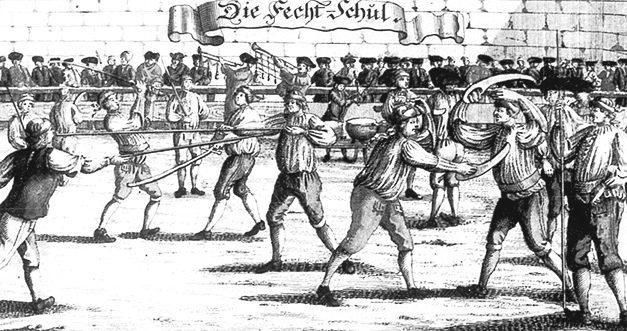
“Ey fåår Fächtare Krantz förn ändas Manlige Strijden. The Fighter shall not receive the...
Read More<span data-mce-type=”bookmark” style=”display: inline-block; width: 0px; overflow: hidden; line-height: 0;” class=”mce_SELRES_start”></span> This is a very interesting exercise....
Read MoreThis article is written to accompany the recent article about the mysticist, and possibly even fencer and a Freyfechter, Heinrich Agrippa. If you haven’t read the article, it is suggested you do so, before...
Read MoreHeinrich Cornelius Agrippa von Nettesheim (15 September 1486 – 18 February 1535) was a German knight, an ambassador, magician, occult writer, theologian, astrologer, and alchemist, and as it appears a soldier and...
Read More“Knowledge is not power. Power alone is power. What knowledge does is provide the means to determine where to focus that power, for maximum effect.” – Carl von Clausewitz [3] The gears of war turn throughout...
Read More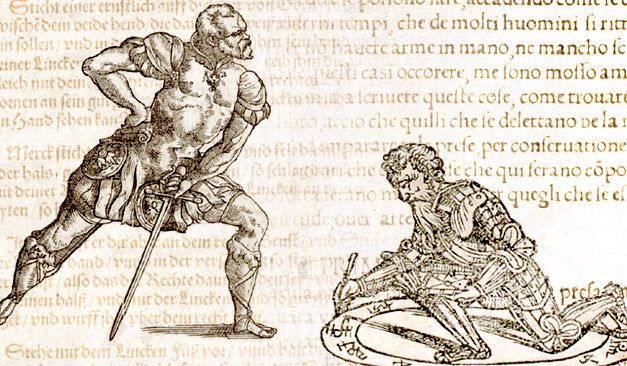
It has been debated regarding to what extent Meyer was inspired by the Italians, the...
Read More
In the world of historical fencing, and particularly the fascinating field of research, we...
Read More
Last week I visited the Hallebardiers/Sint Michielsgilde in Brugge, Belgium having been invited to...
Read More
Here’s an old but still always relevant question for us HEMA practitioners to ask ourselves:...
Read MoreThroughout my years involved with martial arts I have seen, time and time again, instructors in the most varied arts who spar effectively but do not know how they do it. The reason I say this has to do with the fact that: I came...
Read More
For some time now I have searched and collected information about the Swedish fencing Master...
Read More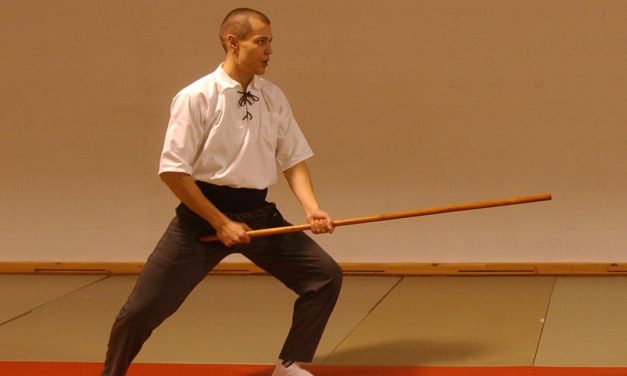
Quite recently, while exchanging all sorts of points of view with everyone’s good friend Roger...
Read More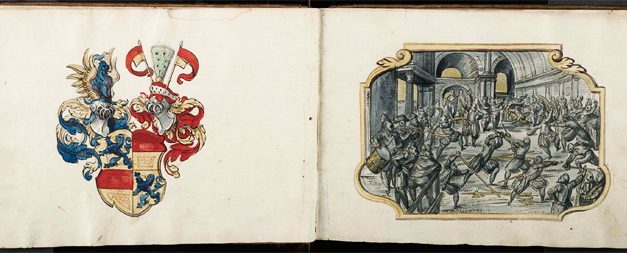
The Joachim Meyer fechtbuch named MS A.4°.2, a beautiful hand-written and...
Read More
The “running through” is mentioned already in the pseudo-Hanko Döbringer (on folio 23), and is...
Read MoreTo understand the body mechanics involved in a technique we not only have to train our bodies so we are strong and agile enough, we also need to use tools that work together with our bodies in the appropriate manner. This may...
Read MoreThe Guards Here are the main guards of Joachim Meÿer’s Halben Stangen: 1. Oberhut (left) 2. Gerader Versatzung (or Mittelhut) 3. Unterhut 4. Wechselhut (Not really a “main” guard, but a key stance) 5. Oberhut...
Read MoreHere are some very crude video clips we shot today of the strengthening exercises we have begun working with in the Meÿer Halben Stangen class at Gothenburg Historical Fencing School. Since they are relevant to longsword...
Read MoreThe Rules of Martial Arts There are rules in martial arts. The rules in modern martial arts are many and varied. These arts are often oriented towards sporting applications or may be practiced for fitness or spiritual...
Read More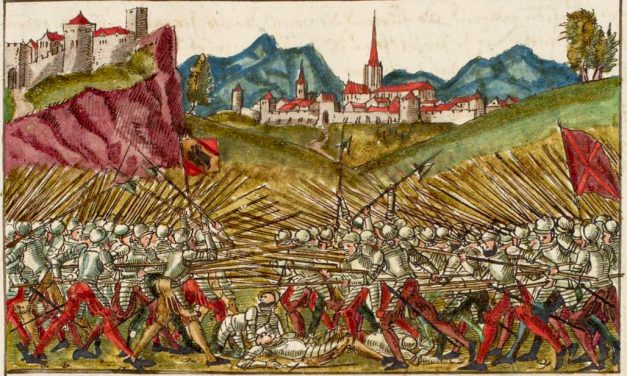
Just some brief reflections on images from Chronicon Helvetiae by Christoph...
Read MoreI thought it might interest some to see how a typical lesson plan for our Meÿer staff class in GHFS looks like. This is of course too much for a single 2 hour class and most of it will be practiced repeatedly through various...
Read More
The famous Augsburg family Fuggers are still considered to have been one of the wealthiest...
Read More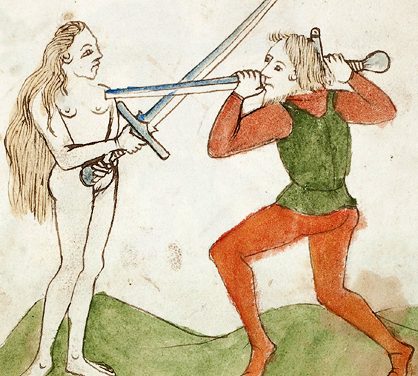
What kind of steel longsword should one choose for sparring? There are of course many aspects to...
Read MoreWhat was it like in a German 16th Century Fechtboden? Here is a glimpse written by Prof. Dr. G Panconcelli-Calzia in 1926, based on his studies of the manuscript entitled “Codex Guelf 83.4 August 8°, which still resides in...
Read More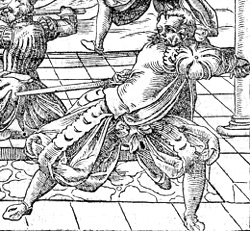
Never ever turn your back against your opponent sounds like a good, solid advice, but is it always...
Read More
How did one train soldiers and horses for war in the 17th century? These images give a small...
Read More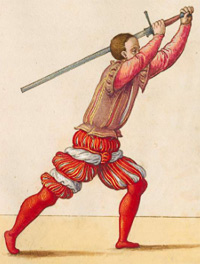
Well there is a right Vom Tag, and a middle one… so there has to be a left Vom Tag as well,...
Read More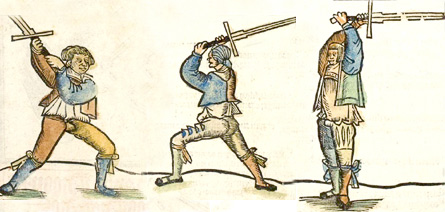
No, it’s not the hottest, new move on the dance floor. It’s just the old High Guard as...
Read More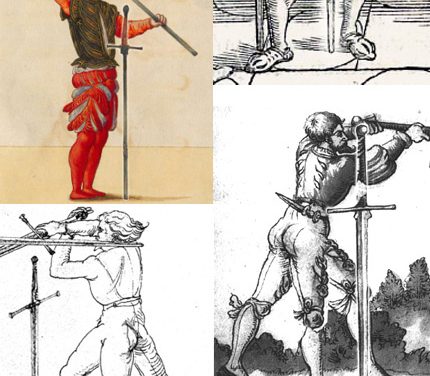
A simple reply would be long enough to reach your opponent. Stupid answer, I know… But the...
Read More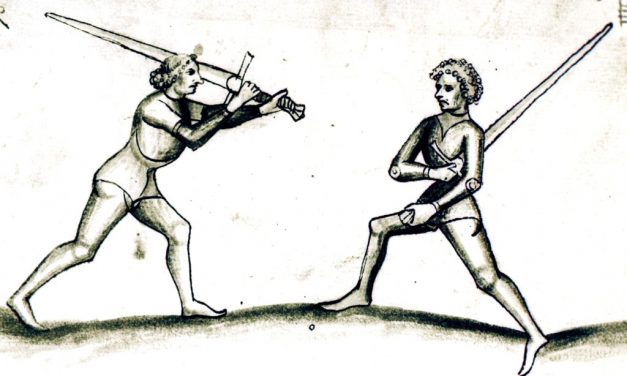
Gripping a sword may sound like the easiest part of fencing; I mean it is just a matter of...
Read More
What defines a good sparring weapon? A common notion is that it should be as close as possible to...
Read More
 Fighters Against Racism
 Acta Periodica Duellatorum